
Aqiqah Guide: Timing, Naming, and Planning for Parents

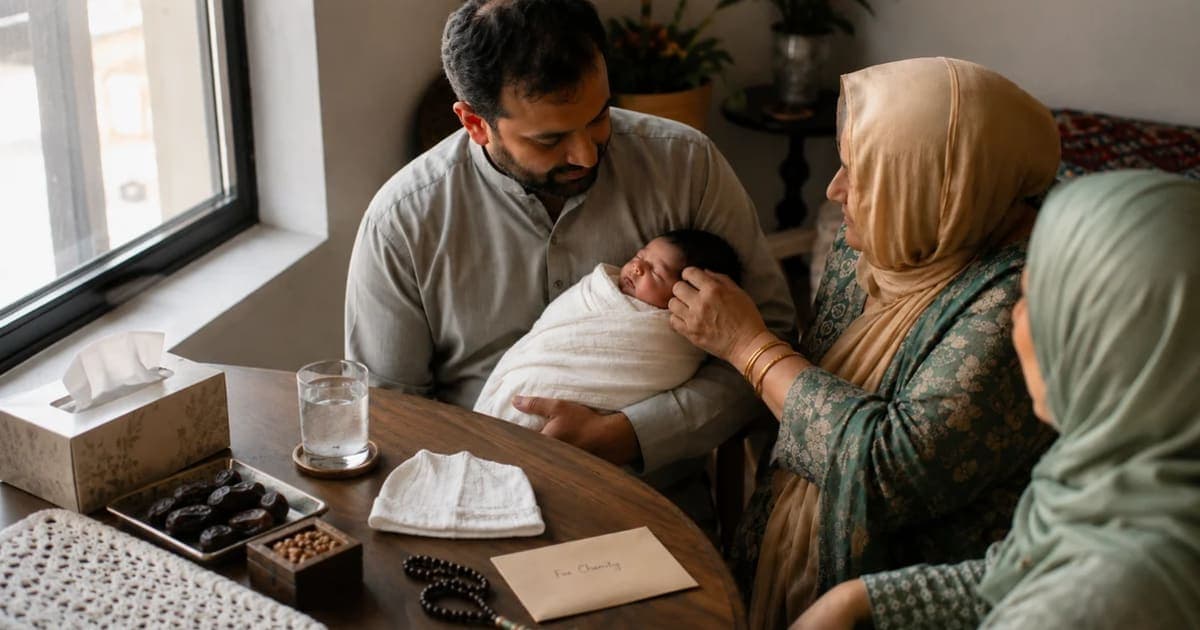
Aqiqah can feel simple until the baby is here, everyone is tired, and three relatives are giving three different answers. This aqiqah guide is for the parent trying to understand the timing, the naming, the boy vs girl rules, and the practical steps without turning a newborn week into a family debate.
Aqiqah is a Muslim birth rite that usually includes offering an animal sacrifice, shaving the baby's hair, giving charity, and announcing or confirming the baby's name. It is a religious act first, but for many families it is also the day the baby is publicly welcomed. That is why the questions around it feel bigger than a checklist.
Key Takeaways
- Aqiqah meaning is tied to gratitude for a newborn, sacrifice, naming, shaving the baby's hair, and giving charity.
- The clearest hadith timing is the seventh day after birth; many families ask a scholar about later dates if that day is not possible.
- Common Sunni teaching mentions two sheep or goats for a boy and one for a girl, while the naming and charity parts apply to both.
- For diaspora families, the practical work is usually finding a trusted halal butcher, mosque contact, or charity before the baby arrives.
Aqiqah Meaning: What the Ceremony Actually Marks
Aqiqah means the birth sacrifice offered for a newborn in Muslim tradition. In common family practice, the aqiqah ceremony also becomes the moment when the baby's name is shared, the hair-shaving charity is arranged, and relatives gather for a meal or receive meat.
The religious basis is not vague family folklore. Sunan Abi Dawud 2838 connects the seventh day with sacrifice, shaving the head, and giving the child a name. Jami at-Tirmidhi 1522 records the same core pattern. That is why aqiqah and naming the baby are so often discussed together, even when the legal birth certificate has already been completed.
When to Do Aqiqah in Islam
Aqiqah is most strongly associated with the seventh day after birth, based on hadith reports that mention sacrifice, shaving, and naming on that day. If the seventh day is not possible, families commonly ask a trusted scholar about later dates because schools and local teachers explain the fallback timing differently.
That last sentence matters. Some families hear "7th, 14th, or 21st" as if every scholar phrases the ruling in the same way. They do not. A practical parent answer is this: plan for day seven if you can, do not panic if birth recovery, NICU time, finances, travel, or family circumstances make that unrealistic, and ask your imam how your community handles a delayed aqiqah.
Simple Timing Plan
- Ask your mosque or scholar how they count the seventh day in your tradition.
- Choose the baby's name before birth if possible, but leave room to change your mind.
- Contact the halal butcher, community organizer, or charity before the due date.
- Decide whether meat will be cooked for guests, distributed raw, donated, or split.
- Keep the baby and recovering parent at the center of the plan, not the guest list.
Aqiqah Rules Parents Usually Need First
The aqiqah rules most parents need are straightforward: offer the sacrifice for the child, shave the baby's hair, give charity connected to the hair, name the baby with a good meaning, and share the food in a way your scholar accepts. The hard part is not the list. It is sorting religious practice from family pressure.
- Timing: The seventh day is the clearest target from the hadith reports.
- Animal: Sheep or goats are commonly used; local scholars can advise on valid animal requirements.
- Boy vs girl: Many Sunni teachings mention two animals for a boy and one for a girl.
- Hair: The baby's hair is shaved, and charity is given by estimating or weighing its value in silver.
- Name: The baby receives a name with a good meaning, often announced on the same day.
- Food: Meat may be eaten, gifted, cooked for guests, or given to people in need, depending on local teaching.
One thing worth saying plainly: aqiqah is not a competition. A small family meal done with care is not spiritually smaller because another family booked a hall and printed gold invitations. New parents need fewer performance rituals, not more.
Aqiqah for Boy vs Girl: What Changes and What Does Not
The main difference between aqiqah for boy and aqiqah for girl is the commonly cited number of animals. Jami at-Tirmidhi 1513 reports two sheep for a boy and one for a girl, and Sunan an-Nasa'i 4212 records a similar answer. The baby's worth is not being measured. The practice is a reported ritual distinction, not a statement that one child is valued more.
| Part of Aqiqah | Boy | Girl |
|---|---|---|
| Animal count | Commonly two sheep or goats | Commonly one sheep or goat |
| Naming | Name with a good meaning | Name with a good meaning |
| Hair shaving | Part of the reported practice | Part of the reported practice |
| Charity | Given according to local guidance | Given according to local guidance |
Aqiqah and Naming the Baby
Aqiqah and naming the baby are linked because the hadith reports place naming with the seventh-day rites. In many countries, though, the legal name is registered before day seven. That is fine in ordinary family life: the aqiqah can still be the moment where the name is announced, blessed by family duas, and tied to the child's identity.
If you are still choosing, start with meaning before spelling trends. Muslim parents often look for names with clear meanings, names of prophets and righteous people, or Arabic, Urdu, Persian, Turkish, Malay, or South Asian names that carry faith and family history without being hard for the child to use in school. Nurturepedia's Baby Name Finder can help you compare meaning, origin, and pronunciation before relatives start lobbying for their favorites.
How to Plan an Aqiqah in a Diaspora Family
Planning aqiqah in the US, UK, Canada, Australia, or Europe usually means translating a familiar family ritual into a place where your local grocery store may not even have a halal meat counter. The cleanest route is to choose one responsible person before the birth: a parent, grandparent, imam, butcher, or charity coordinator who can confirm the sacrifice and meat plan.
South Asian families may expect a larger meal, an outfit for the baby, and a formal naming announcement. Arab families may keep the gathering smaller but focus heavily on the sacrifice and family visit. Southeast Asian families may treat the day as a community meal with recitation and shared food. None of those customs are automatically wrong. They become a problem only when culture starts outranking the health of the newborn and the recovering mother.
A practical split works well: let one elder handle the halal logistics, let the parents choose the name, and keep the gathering short. If the baby cries through the whole thing, that is not a bad sign. It is a newborn doing newborn work. For the week after, our newborn crying guide can help you tell hunger, overtiredness, gas, and overstimulation apart.
What Happens on the Day of Aqiqah
A simple aqiqah day usually has four parts: the sacrifice is arranged, the baby's hair is shaved if the family is following that practice, charity is given, and the name is shared with duas. Some families cook the meat for guests. Others distribute it quietly. Some donate the full sacrifice through a trusted charity, especially when local halal options are limited.
Keep the baby comfortable. Warm the room before shaving the hair, have a clean towel ready, and avoid turning the day into a photo session that runs longer than the baby's feeding window. If you are nervous about bathing the baby afterward, our newborn bath guide covers sponge baths and safe handling in the first weeks.
Sources
- Sunan Abi Dawud 2838 - seventh-day aqiqah, shaving, and naming report
- Jami at-Tirmidhi 1522 - seventh-day naming and shaving report
- Jami at-Tirmidhi 1513 - boy and girl aqiqah animal count report
- Sunan an-Nasa'i 4212 - boy and girl aqiqah animal count report
This article is for general religious and parenting information. It is not a fatwa. For school-specific rulings on timing, animal requirements, meat distribution, or delayed aqiqah, ask a qualified local scholar.
From ovulation tracking and due dates to baby names and growth charts. Everything you need for your journey.
Share this post
Frequently Asked Questions
Related Topics
Contents
About the Author
Browse our curated baby name collection
Get the latest parenting tips and updates delivered to your inbox.
Read Next
How Often to Change a Newborn Diaper — and What Each One Tells You
How often to change a newborn's diaper, day-by-day wet and dirty diaper counts, when meconium ends, and five ways to stop blowouts. AAP-backed guidance.
Read Article
How to Swaddle a Baby, Step by Step — and When to Stop
A step-by-step swaddle guide with the hip-safe technique, when to stop swaddling (rolling signs to watch), and what to do when your baby fights the wrap. AAP-backed.
Read Article
Clogged Duct or Mastitis? How to Tell, and What to Do
How to tell a clogged milk duct from mastitis, what the 2022 guidance says to do (ice, not heat), when to call your doctor, and honest takes on cabbage leaves and home remedies.
Read Article
Baby Colic: What It Really Is, What Helps and When the Crying Finally Ends
What colic actually looks like, which soothing strategies have evidence behind them, how to tell colic from reflux, and the week-by-week timeline for when the crying stops.
Read Article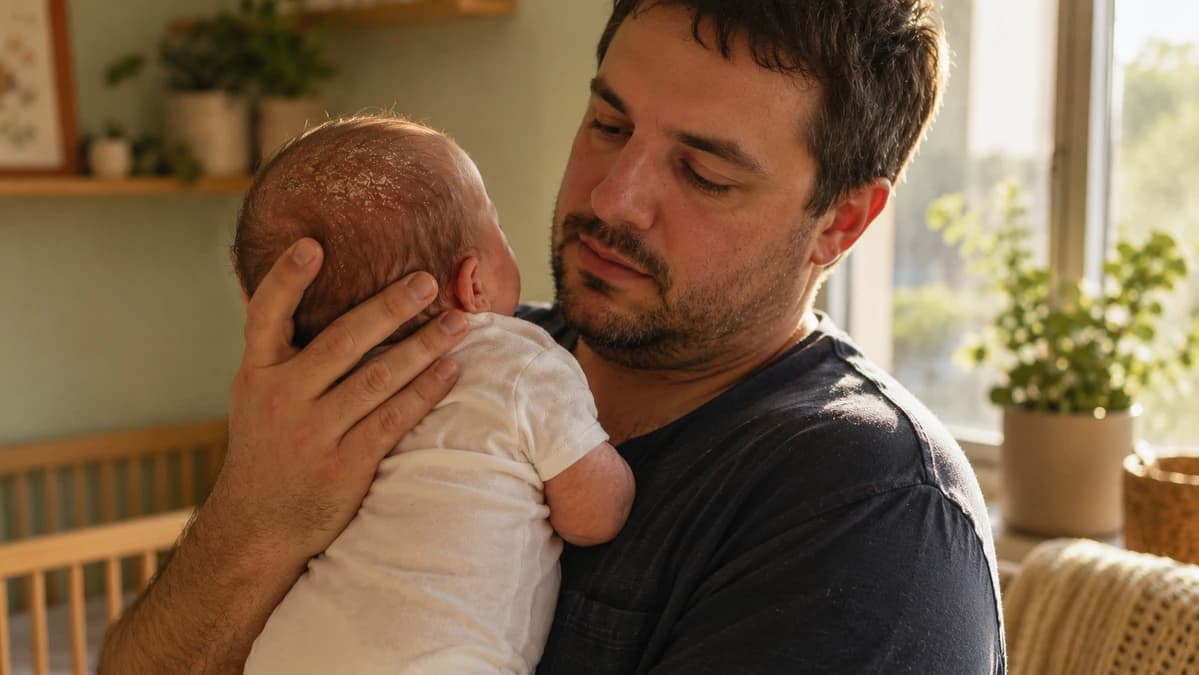
Cradle Cap: What It Really Is, How to Treat It, and When It Finally Goes Away
Those thick, yellowish, flaky patches on your baby's scalp? That's cradle cap — and it's far more common (and less scary) than it looks. Here's exactly what to do about it.
Read Article
Diaper Rash Won't Go Away? How to Tell What's Wrong
If diaper rash won't go away after cream, the cause may be yeast, bacteria, allergy, moisture, or another skin problem. Learn the signs and when to call.
Read Article