
healthNew Parents0-6months, 6-12monthsReviewed by Dr. Rashid Mahmood9 min read
Curating the best options...
Gathering insights tailored just for you
Curating the best options...
Gathering insights tailored just for you
Curating the best options...
Gathering insights tailored just for you

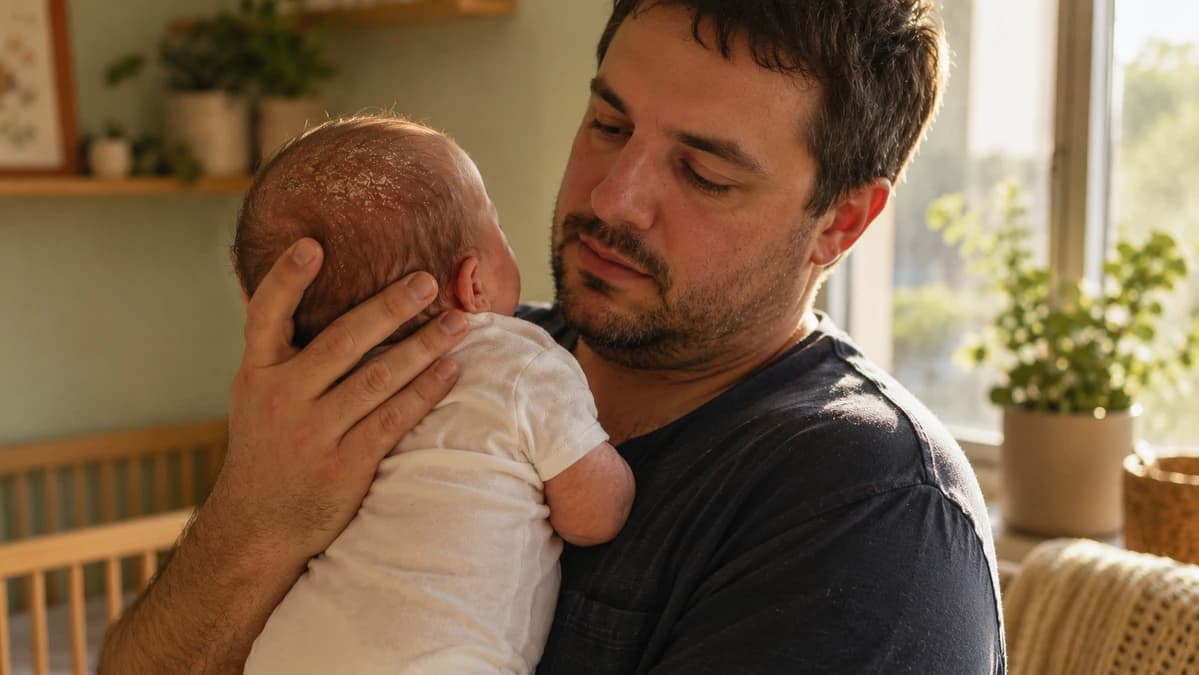
You gave your newborn a bath, toweled off that tiny head, and noticed it — yellowish, crusty patches stuck to the scalp like dried-on oatmeal. Maybe flaky bits in the eyebrows too. Your first thought was probably something between "is this normal?" and quiet panic. Take a breath. It's cradle cap, and roughly 7 out of 10 babies get it in the first few months. It's not an infection. It's not from something you did wrong. And it goes away.
Doctors call it infantile seborrheic dermatitis — a mouthful, but it just means your baby's oil glands are working overtime thanks to hormones still floating around from pregnancy. Those extra oils cause dead skin cells to stick around instead of flaking off quietly. The result? Those thick, scaly patches that look worse than they feel.
If you've been staring at your baby's scalp trying to decide whether it's cradle cap or something else — like baby eczema or plain dry skin — this guide will help you tell them apart. And if you already know it's cradle cap, skip straight to the treatment section below.
Nobody knows the full answer — which is frustrating, but honest. What researchers do know is that two things are probably working together:
So is cradle cap a fungal infection? Not exactly. The yeast plays a role, but cradle cap is not something your baby "caught." It's not contagious, it's not bacterial, and — this one matters — it has nothing to do with how clean you keep your baby. The Mayo Clinic and the American Academy of Pediatrics both confirm that.
The first signs usually pop up between 2 and 6 weeks after birth. On the scalp, you'll see:
But here's what catches parents off guard: cradle cap doesn't always stay on the scalp. It can show up on the eyebrows, behind the ears, on the forehead, around the nose creases, and occasionally even in the diaper area. Anywhere the body has a concentration of oil glands is fair game.
Mild cases look like light flaking — easy to miss unless you're looking for it. Severe cases can cover most of the scalp with thick, layered crusts. Both are still cradle cap. And does it smell? Sometimes, yes. A mild musty or oily scent is normal when the scales are thick. A strong, foul smell isn't — that could signal a secondary issue, and you should call your pediatrician.
Parents confuse these three all the time, and the treatment for each is different. Here's the fastest way to sort it out:
| Feature | Cradle Cap | Baby Eczema | Dry Scalp |
|---|---|---|---|
| Texture | Oily, greasy, waxy crusts | Dry, rough, sandpaper-like | Light, fine flakes |
| Itchiness | Not itchy | Very itchy | Mild or none |
| Color | Yellow, white, or brownish | Red, inflamed patches | White flakes |
| Main Location | Scalp, eyebrows, behind ears | Cheeks, elbows, knees | Scalp only |
| Baby Bothered? | No — baby doesn't notice it | Yes — rubbing, scratching, fussy | No |
The single best clue? Itchiness. If your baby is unbothered — sleeping fine, not scratching, not rubbing their face against your shirt — it's almost certainly cradle cap or dry skin. If they're clearly uncomfortable and scratching at red, rough patches, that points toward eczema, and the treatment is very different. Our Baby Eczema Treatment Guide walks through the dermatologist-backed protocol for that.
You don't have to treat cradle cap. It's cosmetic. It doesn't hurt, doesn't itch, and will clear up on its own eventually. But if you'd rather not wait — and most parents don't — here's the method that the NHS, Mayo Clinic, and AAP all recommend:
Never pick, scratch, or scrape the scales off. It's tempting — they're right there, and they look like they should peel off easily. But picking can break the skin underneath, which opens the door to bleeding and infection. Loosen them with oil first. Always.
Parents try everything. Here's what the evidence actually says:
This one scares a lot of parents, so let's be clear: cradle cap can cause some temporary hair shedding in the patches where scales are thick. When the crusts lift, a few hairs might come with them. That's normal, and the hair grows back once the cradle cap clears.
Cradle cap does not cause permanent hair loss. It doesn't damage the follicles. If your baby has noticeable bald patches that aren't connected to scaly areas, that's a different issue worth mentioning to your pediatrician — but it's not the cradle cap.
Most babies clear it by 6 to 12 months. For some, it hangs around until age 2 or 3 — that's less common but still within the range of normal. It goes away on its own as the leftover maternal hormones work their way out and the baby's oil glands settle down.
Can it come back after it clears? It can. Each time, the same treatment works: oil, brush, wash, repeat. The recurrences tend to be milder and shorter each time. If your child still has persistent scaly patches past their first birthday and they're getting worse instead of better, that's worth a pediatrician visit.
Cradle cap is almost always harmless. But there are situations where you should get professional eyes on it:
Your doctor might prescribe a low-strength hydrocortisone cream for inflammation, or a medicated antifungal shampoo (like ketoconazole) for stubborn cases. Don't use these without guidance — some products that are safe for adults are too strong for an infant's skin.
Honestly? Not really. Since it's driven by hormones and yeast that are already present on the skin, there's no guaranteed way to stop it from showing up. But regular gentle washing — even before you see any scales — helps. Washing your baby's scalp with a mild shampoo every couple of days keeps excess oil from building up, which may reduce how thick the scales get if cradle cap does develop.
Don't overwash, though. Shampooing multiple times a day or scrubbing hard can irritate the scalp and strip healthy oils, which creates its own set of problems. A gentle wash every day or every other day is the sweet spot.
If you're tracking your baby's growth milestones alongside these early skin phases, our Child Height Predictor can give you a projection based on parental heights — because one day this tiny human with the flaky scalp will be standing taller than you.
Baby Eczema Treatment: A Dermatologist-Backed Parent's Guide
This article is for informational purposes and does not replace medical advice. Always consult your pediatrician before starting any new treatment on your baby's skin.
From ovulation tracking and due dates to baby names and growth charts. Everything you need for your journey.

Browse our curated baby name collection
Get the latest parenting tips and updates delivered to your inbox.