pregnancyExpecting ParentsReviewed by Dr. Isabella Rossi8 min read
Morning Sickness Remedies That Actually Help: First Trimester Guide

Curating the best options...
Gathering insights tailored just for you
Curating the best options...
Gathering insights tailored just for you

Morning sickness has a terrible name. For many people, it shows up before breakfast, after lunch, at bedtime, and at 3 a.m. when a sip of water suddenly feels like a bad idea. If you are in the first trimester and feeling sick all day, you are very much within the normal range, even though it can feel anything but normal.
The goal is to keep food and fluids down, reduce the triggers you can control, and know when symptoms have crossed into "call the doctor" territory. ACOG lists diet changes, ginger, vitamin B6, and doxylamine among common options for nausea and vomiting in pregnancy. Your provider can help you decide what fits your situation.
If you are still working out how far along you are, start with our Pregnancy Due Date Calculator. Nausea timing makes more sense when you know your week.
Morning sickness usually starts around weeks 5 to 6 of pregnancy, peaks around weeks 8 to 10, and often eases by weeks 12 to 16. Some people feel better sooner. Some stay nauseous longer. A smaller group has symptoms into the second trimester or beyond. If nausea showed up before your period was due, our early pregnancy signs guide can help you compare what else may happen early.
It can happen at any time of day. Mayo Clinic notes that morning sickness can strike day or night, despite the name. That matters because many women feel dismissed when they say they are sick from morning until bedtime.
Early pregnancy changes digestion, smell sensitivity, appetite, blood sugar, and fatigue. Hormones such as hCG and progesterone are part of the picture, but there is rarely one neat cause. The pattern is more useful than the theory: nausea tends to flare when your stomach is empty, when a smell hits you, when you are tired, or when you eat something heavy and greasy.
That is why the best morning sickness remedies are boring in a good way. Small food. Often. Gentle fluids. Fewer smells. Rest where you can get it.
Keep crackers, dry cereal, pretzels, or plain toast next to your bed. Eat a few bites, wait 5 minutes, then sit up slowly. This is one of the oldest tips because it targets the empty-stomach wave that hits first thing in the morning.
Three normal meals can feel impossible in the first trimester. Try 5 or 6 mini-meals instead. The aim is a steady stomach, not a perfect meal plan. If dinner is half a baked potato and a few bites of chicken, that still counts.
Plain carbs are easy to tolerate, but protein often keeps nausea away for longer. Try crackers with cheese, toast with peanut butter, Greek yogurt, eggs if you can stand the smell, nuts, hummus, cottage cheese, or a smoothie with yogurt.
Ginger tea, ginger chews, ginger capsules, and real ginger ale help some people. ACOG and Mayo Clinic both mention ginger as an option for pregnancy nausea. Check with your provider before taking capsules or concentrated supplements, especially if you take blood thinners or have a bleeding disorder.
A full glass of water can backfire when your stomach is touchy. Try small sips every few minutes. Cold water, ice chips, diluted juice, electrolyte drinks, lemon water, popsicles, and watermelon can all help. Many people do better drinking between meals instead of with meals.
Hot food smells stronger. Cold meals, open windows, a kitchen fan, or asking someone else to cook can make a real difference. If toothpaste makes you gag, try a milder flavor and rinse slowly. If your prenatal vitamin triggers nausea, take it with a snack at bedtime and ask your provider about alternatives.
Wrist acupressure bands are low effort and safe for most people. Evidence is mixed, but some women swear by them. If they help you get through work, school pickup, or a grocery run, keep using them.
The best snacks for pregnancy nausea are easy to smell, easy to chew, and easy to repeat. Build a small rotation so you are not making decisions while nauseous.
| If you can tolerate | Try these snacks |
|---|---|
| Plain carbs | Saltines, toast, pretzels, bagels, rice cakes, baked potato |
| Protein | Greek yogurt, cheese, nuts, peanut butter, hummus, eggs, cottage cheese |
| Cold foods | Smoothies, frozen grapes, applesauce pouches, melon, yogurt cups |
| Sour or salty foods | Lemon water, pickles, salted crackers, sour hard candy, broth |
If you are worried because your eating feels strange right now, read our Pregnancy Nutrition Guide when you feel up to it. The first trimester is often about getting through the day, then rebuilding variety when nausea settles.
MedlinePlus notes that vitamin B6 and doxylamine are used for morning sickness, including a prescription combination approved for pregnancy nausea. Doxylamine is the active ingredient in some Unisom products, but not every sleep aid is the same. Read labels carefully and ask your provider before starting it.
Call sooner if you are losing weight, vomiting several times a day, or struggling to keep fluids down. You do not have to wait until you are severely dehydrated to ask for help. Prescription anti-nausea medication can be appropriate, and your doctor can weigh benefits and risks with your health history in mind.
Do not use marijuana for morning sickness. Mayo Clinic and ACOG warn against cannabis use in pregnancy, and it can also cause or worsen nausea in some people.
Most morning sickness is miserable but manageable. Severe nausea and vomiting can become hyperemesis gravidarum, which may need medication, fluids, or hospital care. RCOG explains that pregnancy sickness can range from mild nausea to severe hyperemesis.
If weight gain is on your mind later, our Pregnancy Weight Gain Calculator can give you a week-by-week range. During heavy nausea, hydration and medical support come first.
Keep food in 4 places: bedside table, bag, car, and work desk. Pick 3 safe snacks and repeat them. Drink whatever pregnancy-safe fluid stays down. Move slowly in the morning. Rest when fatigue makes nausea spike.
And if you have one good hour in the day, use it wisely. Shower. Eat. Answer the message you have been avoiding. Then sit down again. You are growing a placenta, adjusting to fast hormone shifts, and trying to function like nothing is happening. Something is happening.
No. It can happen morning, afternoon, evening, overnight, or all day.
Try crackers before standing, cold sips, ginger, fresh air, and a small protein snack. If vomiting is frequent, call your provider.
Many people improve by weeks 12 to 16. Some feel sick longer, and severe symptoms deserve medical care.
Vitamin B6 and doxylamine are commonly used in pregnancy nausea, but check with your provider for the right product and dose.
This article is for informational purposes and does not replace medical advice. Always talk to your OB/GYN, midwife, or healthcare provider about nausea, vomiting, supplements, and medicines during pregnancy.
From ovulation tracking and due dates to baby names and growth charts. Everything you need for your journey.

Browse our curated baby name collection
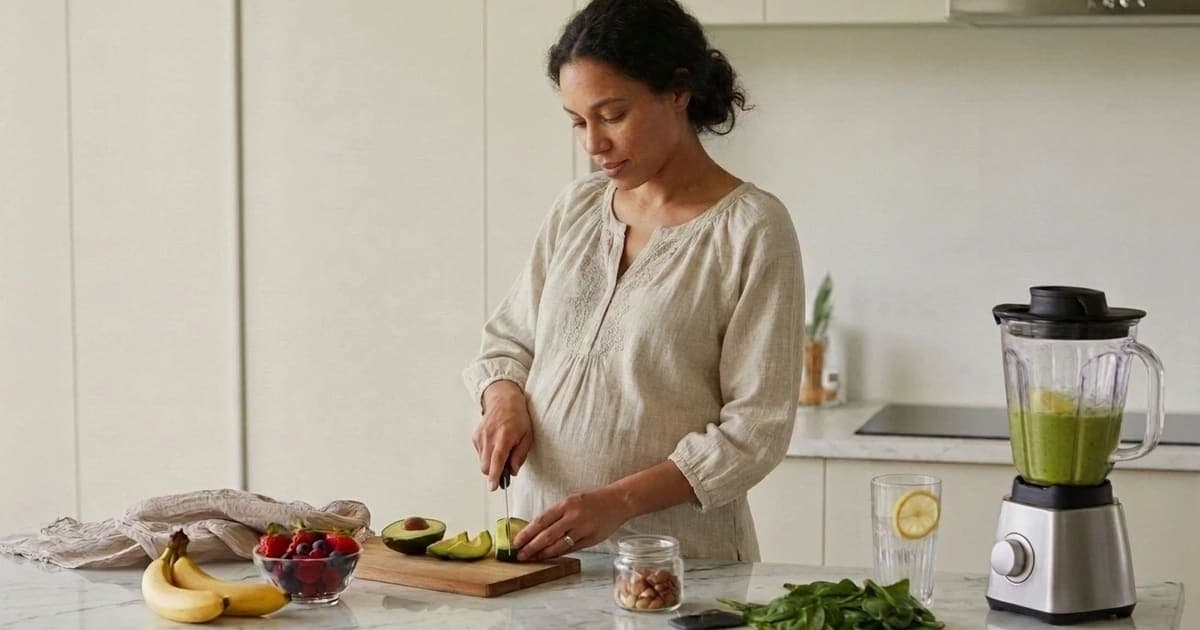
How much weight should you gain during pregnancy? A BMI-based chart with trimester breakdown, where the weight goes, and when to talk to your doctor.
Read Article
Which exercises are safe during pregnancy — and which should you skip? A trimester-by-trimester guide with ACOG-backed workouts and warning signs.
Read Article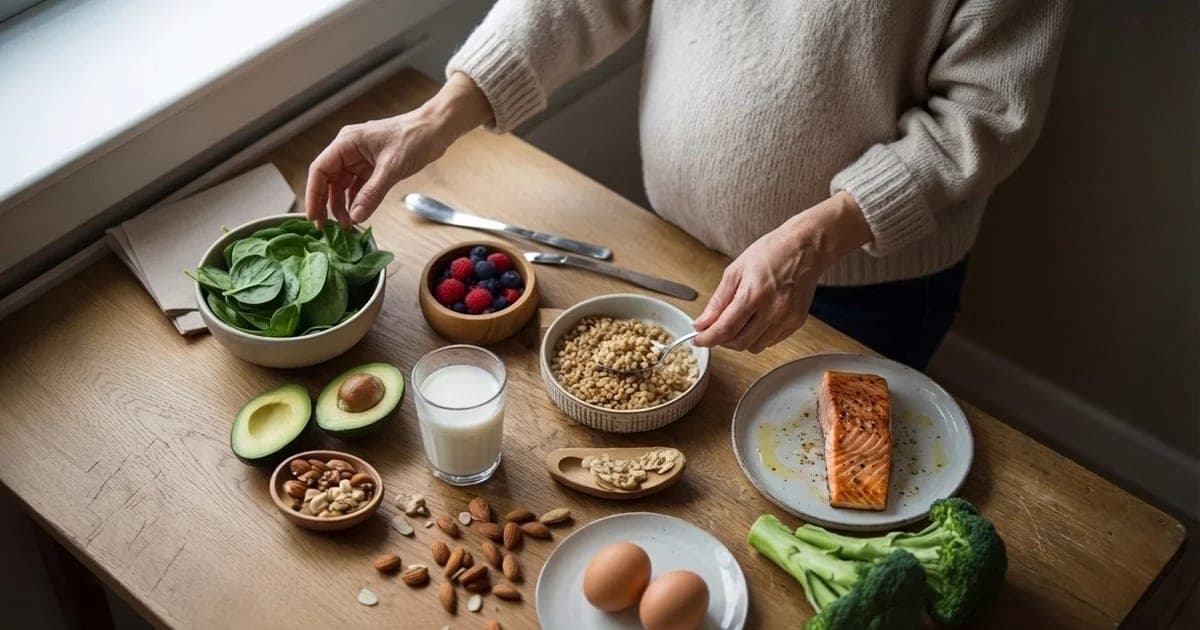
Get the latest parenting tips and updates delivered to your inbox.
Everything you need to know about eating well during pregnancy — 8 key nutrients with exact amounts, trimester-by-trimester guidance, foods to avoid, a sample meal plan, and common mistakes.