
Pregnancy Nutrition Guide: What to Eat, What to Avoid, and Why It Matters

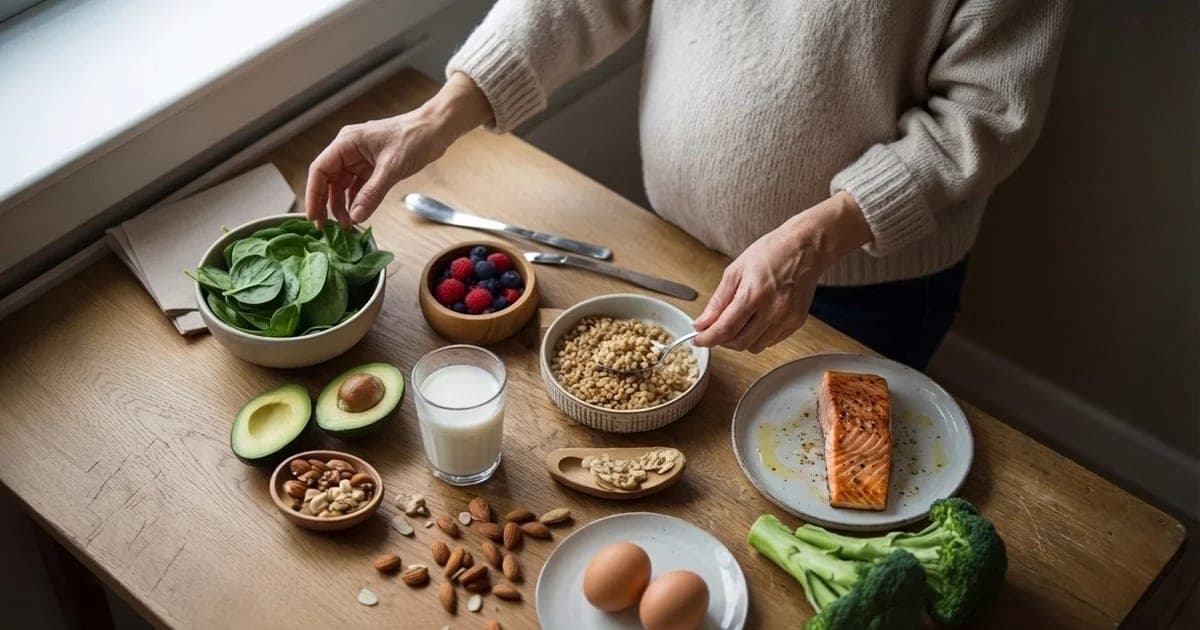
The moment you see that positive test, your brain does this thing where it immediately starts cataloguing everything you ate in the last two weeks. The sushi from Thursday. That second cup of coffee. The deli sandwich you didn't think twice about. Sound familiar? You’re not alone — and the very fact that you’re here Googling what to eat during pregnancy tells me you’re already on the right track.
The short version: your body is about to create an entirely new human from scratch. A brain, a spinal cord, a skeleton, a circulatory system — all of those components are built from the nutrients you consume over the next nine months. That's not pressure. That's just biology. And the encouraging news is you don’t need to be perfect in order for a good pregnancy nutrition handbook to work. It takes consistency and some smart decisions most days.
This guide covers every nutrient that actually matters, what to eat, what to skip, how needs shift by trimester, and a realistic meal plan you can use tomorrow. All backed by ACOG, Mayo Clinic, and NHS guidelines — not blog folklore.
Why Pregnancy Nutrition Matters More Than You Think
Within the first few weeks — before most women even know they're pregnant — the neural tube is already forming. That's the structure that becomes your baby's brain and spinal cord. The placenta starts taking shape. Your blood volume starts to ramp up (it will increase about 50 percent by the third trimester). All of these processes depend on nutrients. Not calories alone. Specific vitamins, minerals, and macronutrients.
In the absence of those nutrients, the body adapts and improvises. It leaches calcium out of your bones. It redirects iron from your own blood supply. The baby usually gets what it needs — but at your expense. And that is how anemia, bone density loss and fatigue develop during pregnancy. A pregnancy diet protects both you — and your newborn.
8 Nutrients Your Baby Needs (With Exact Daily Amounts)
Every pregnancy nutrition article mentions folic acid and iron. But there are some nutrients that just don’t get enough credit — choline is the star. Here’s the full list — with numbers you can actually use.
| Nutrient | Daily Amount | Best Food Sources | Why It Matters |
|---|---|---|---|
| Folic Acid | 600 mcg | Spinach, lentils, fortified cereals, beans | Prevents neural tube defects in the first month. |
| Iron | 27 mg | Lean red meat, poultry, spinach, fortified grains | Supports hemoglobin and increases blood volume. |
| Calcium | 1,000 mg | Yogurt, cheese, fortified plant milk, tofu, almonds | Baby’s bones and teeth; protects your bone density |
| Protein | 71+ g | Eggs, chicken, fish, beans, nuts, Greek yogurt | Fetal tissue growth, especially brain development |
| DHA (Omega-3) | 200–300 mg | Salmon, sardines, walnuts, chia seeds | Development of the brain and eyes. |
| Choline | 450 mg | Eggs (yolks), beef liver, chicken, soybeans | Brain and spinal cord development. |
| Vitamin D | 600 IU | Fatty fish, fortified milk, sunlight, egg yolks | Assists with calcium absorption and supports immune function. |
| Fiber | 25–30 g | Oats, berries, broccoli, whole wheat products, lentils | Reduces constipation during pregnancy. |
Combine iron-rich foods sourced from plants with something high in vitamin C — such as squeezing lemon juice on spinach or eating strawberries with fortified cereal.
The Choline Gap That Nobody Wants to Talk About
Here's something that genuinely surprised me when I first looked into it: Less than 10 percent of pregnant women are even expected to get the recommended amount of choline. Choline works in much the same way as folic acid — first helping build the baby’s brain and spinal cord, and second supporting the placenta. Most prenatal vitamins, however, provide little choline or none at all. About half your daily requirement is covered by two eggs. If you eat eggs on a regular basis, then you're in better shape than most people.
What to Eat During Pregnancy — by Trimester
As your baby develops, so do your nutritional needs.
First Trimester: Foundations (Weeks 1–12)
You don’t need extra calories yet. What you do need, however, is nutrient-dense food, especially folic acid. This is when the neural tube closes — in the first 28 days. If you're not already taking a prenatal vitamin with at least 400 mcg of folic acid, start today.
You are about to feel a lot of nausea. If salads or heavy fare don’t agree, simple foods — toast, crackers and ginger tea — are acceptable. The prenatal vitamin is a backup for nutrients.
If you're trying to figure out exactly where you are in your pregnancy, our Due Date Calculator can help you pin down your timeline.
Second Trimester: Growth Mode (Weeks 13–27)
This is the phase where most women start feeling better. Your nutrition needs skyrocket and you need around an extra 340 calories a day (per ACOG). Not 340 extra from snack cakes. Think: an apple with peanut butter and a handful of almonds.
Protein becomes more demanding now — your baby's muscles, organs, and brain are growing fast. Iron too, because your blood volume is still climbing. If blood tests show low iron, your provider might recommend a separate supplement on top of your prenatal.
Third Trimester: Final Stretch (Weeks 28–40)
Now you need about 450 extra calories daily. Calcium and DHA are front and center — your baby's bones are hardening and the brain is going through its most intensive development phase. This is when a lot of women also deal with heartburn and constipation, so fiber and hydration become practical lifesavers, not just nutritional boxes to check.
Foods to Avoid During Pregnancy (and Why)
These foods have a higher associated risk of infections or toxins that can be damaging to fetal development.
High-Risk: Skip These Entirely
- Raw or undercooked meat/poultry/seafood — risk of Toxoplasma, Listeria, Salmonella. Cook everything thoroughly.
- High-mercury fish — shark, swordfish, king mackerel, tilefish. Mercury damages fetal brain development. Choose salmon, sardines, or shrimp instead.
- Unpasteurized dairy and soft cheeses — Listeria survives refrigeration and can cross the placenta. Always check labels.
- Alcohol — per the CDC, there's no known safe amount during pregnancy. Fetal alcohol spectrum disorders are preventable but permanent.
- Raw eggs — homemade mayo, runny yolks, cookie dough. Salmonella risk.
- Deli meats and pâté — Listeria risk unless heated until steaming.
Foods to Limit (Not Totally Avoid)
- Caffeine — Mayo Clinic recommends about 200 mg or less per day (roughly one 12 oz cup of coffee). You don't have to quit entirely.
- Canned tuna — limit to 2–3 servings per week due to moderate mercury levels.
- Liver products — extremely high in vitamin A, which can be harmful in excess.
If you’ve eaten something from the avoid list before realizing you were pregnant, don’t panic. The guidelines are intended to limit risk across the entire pregnancy, not penalize one meal.
What a Healthy Pregnancy Plate Looks Like
Forget the complicated meal plans with ingredients you can't pronounce. A balanced pregnancy meal comes down to a simple formula: lean protein + whole grain + vegetable or fruit + healthy fat. That's it. Most days, most meals.
A Realistic One-Day Meal Plan
| Meal | What to Eat | Key Nutrients |
|---|---|---|
| Breakfast | Oatmeal with berries, two scrambled eggs, orange juice | Fiber, choline, vitamin C, iron absorption boost |
| Snack | Greek yogurt with walnuts and honey | Calcium, protein, omega-3 |
| Lunch | Grilled salmon over brown rice, side of steamed broccoli | DHA, protein, fiber, calcium, vitamin D |
| Snack | Apple slices with peanut butter | Fiber, healthy fat, protein |
| Dinner | Lentil soup with whole wheat bread, spinach salad with lemon dressing | Iron, folic acid, fiber, vitamin C (for iron absorption) |
This isn't aspirational — it's doable. Swap ingredients based on what you have. The structure is what counts. And on days when nothing sounds appealing? A peanut butter sandwich and a banana still checks boxes.
Dealing with Nausea, Heartburn, and Other Curveballs
Let's be real — knowing what to eat and being able to eat it are two different things during pregnancy.
- Nausea (mostly first trimester): Small, frequent meals beat three big ones. Cold foods often go down easier than hot ones. Ginger tea, plain crackers, and dry toast are clichés because they work. If vomiting is constant or you're losing weight, call your doctor — that could be hyperemesis gravidarum, which needs treatment.
- Heartburn (mostly third trimester): Progesterone relaxes the valve between your stomach and esophagus. Eat smaller meals, stay upright after eating, skip spicy and fried food. Sleeping slightly propped up helps too.
- Constipation (all trimesters): Progesterone again — it slows everything in your digestive tract. Fiber, water, and movement are your three tools. Prune juice works faster than most people expect.
- Cravings: They're real, they're hormonal, and giving in occasionally is fine. The issue is when cravings completely replace nutritious food for weeks at a time. A bowl of ice cream after dinner isn't a problem. Ice cream as dinner every night for a month is.
Healthy Weight Gain During Pregnancy
Weight gain consists of baby, placenta, amniotic fluid, increased blood volume, breast tissue and fat stores for breast-feeding. ACOG provides general ranges based on pre-pregnancy BMI:
- Underweight (BMI < 18.5): 28–40 lbs recommended
- Normal weight (BMI 18.5–24.9): 25–35 lbs
- Overweight (BMI 25–29.9): 15–25 lbs
- Obese (BMI ≥ 30): 11–20 lbs
These are ranges, not targets you need to hit precisely. Your provider monitors this at every visit. If you want to track yourself between appointments, our Pregnancy Weight Gain Calculator gives you a personalized timeline based on your starting BMI and current week.
5 Nutrition Mistakes Pregnant Women Make
These come up over and over, and most of them aren't obvious:
- Skipping breakfast because of nausea — then compensating with a huge dinner. This spikes blood sugar and makes nausea worse. Small and often is better.
- Not drinking enough water — your blood volume increase alone requires more fluid. Aim for 8–12 cups daily. Dehydration worsens headaches, constipation, and fatigue.
- Relying entirely on prenatal vitamins — they're a supplement, not a substitute. Most don't contain enough calcium, choline, or omega-3.
- Eating "for two" from day one — you don't need extra calories in the first trimester at all. Even in the third, it's only 450 extra — roughly a turkey sandwich.
- Avoiding all fish — fish is one of the best sources of DHA and protein. The concern is mercury, not fish itself. Salmon, sardines, trout, and shrimp are all low-mercury and recommended 2–3 times per week.
Quick Checklist: Your Daily Pregnancy Nutrition Goals
- Take your prenatal vitamin (with folic acid)
- At least one serving of leafy greens
- Protein at every meal (doesn't have to be meat)
- 8–12 cups of water
- Two servings of calcium-rich foods
- Fish or omega-3 sources 2–3 times per week
When to Talk to Your Doctor About Nutrition
Most nutrition questions can wait until your regular prenatal visit. But call sooner if:
- You can't keep any food down for more than 24 hours
- You're losing weight instead of gaining
- You've been diagnosed with gestational diabetes and need dietary guidance
- You follow a vegan or very restrictive diet and aren't sure about supplementation
- You have a history of eating disorders and pregnancy is triggering old patterns
Your provider can refer you to a registered dietitian who specializes in prenatal nutrition. That referral is often covered by insurance, and it's worth asking about.
The Bottom Line
Pregnancy nutrition is more about consistency than perfection. Instead, you’re looking to real foods, key nutrients, and avoiding high-risk items. On those difficult days, even tiny steps toward nutritious eating help. If the fact that you are paying attention to what you eat is a sign of good things, then it already puts you on the right track.
Sources
- ACOG — Nutrition During Pregnancy
- Mayo Clinic — Pregnancy Nutrition: Foods to Eat and Avoid
- NHS — Have a Healthy Diet in Pregnancy
- CDC — Choline and Pregnancy
- CDC — Alcohol Use During Pregnancy
This article is for informational purposes and doesn't replace medical advice. Talk to your healthcare provider about your specific nutritional needs during pregnancy.
From ovulation tracking and due dates to baby names and growth charts. Everything you need for your journey.
Share this post
Frequently Asked Questions
Contents
About the Author
Medically Reviewed By

Browse our curated baby name collection
Get the latest parenting tips and updates delivered to your inbox.
Read Next

Morning Sickness Remedies That Actually Help: First Trimester Guide
First trimester nausea can hit all day. Try safe morning sickness remedies, pregnancy nausea snacks, ginger, hydration tips, B6 guidance, and signs to call your doctor.
Read Article
Pregnancy Weight Gain: How Much Is Normal? (Chart + Trimester Breakdown)
How much weight should you gain during pregnancy? A BMI-based chart with trimester breakdown, where the weight goes, and when to talk to your doctor.
Read Article
Pregnancy Exercises by Trimester: What's Safe, What Helps, and What to Skip
Which exercises are safe during pregnancy — and which should you skip? A trimester-by-trimester guide with ACOG-backed workouts and warning signs.
Read Article
Baby-Led Weaning First Foods — What to Serve, How to Start, and What to Skip
Your no-stress guide to baby-led weaning first foods at 6 months. Best starter foods by category, a simple first-week plan, gagging vs choking explained, and foods to skip.
Read Article
Pregnancy Week by Week: What's Happening to Your Body and Baby
Follow your pregnancy week by week — from the first heartbeat to full term. Fetal milestones, body changes, symptoms, and expert advice for every trimester.
Read Article
Hospital Bag Checklist 2026: What to Pack for Mom, Baby, and Partner
Pack your hospital bag by 36 weeks with essentials for mom, baby, and partner, plus C-section extras and what to leave home.
Read Article