
Baby Constipation: Signs to Watch, Home Remedies That Work, and When to Call the Doctor


You changed three diapers before lunch yesterday. Today? Nothing. Your baby's face is scrunched, legs pulled tight to the chest, and the grunting sounds like a tiny weightlifter at the gym. Is this constipation — or just a Tuesday?
Here's the thing most parenting sites won't tell you upfront: babies grunt, strain, and turn beet-red while pooping all the time. That alone isn't constipation. What matters is what comes out — and whether it's causing real pain. True baby constipation means hard, dry, pellet-like stools that are difficult or painful to pass. Not just skipping a day. Not just straining. The stool itself has to be firm.
Quick Reality Check: What's Normal?
- Breastfed babies (after 6 weeks): Can go 7–10 days between bowel movements and be perfectly fine — breast milk leaves very little waste.
- Formula-fed babies: Usually poop 1–4 times daily; stools are firmer and darker than breastfed poop.
- Babies on solids: Frequency drops; stool consistency depends heavily on what they're eating.
If your baby seems comfortable and the stool is soft when it arrives, you're probably not dealing with constipation — even if the timing feels off.
How to Tell If Your Baby Is Actually Constipated
Forget counting days between diapers. These are the signs of constipation in baby that actually matter:
- Hard, pellet-like stools — small, dry balls that look like rabbit droppings
- Crying or visible pain during bowel movements (not just grunting or straining)
- Blood streaks on the stool — usually from small tears caused by passing hard poop
- A firm, bloated belly that feels tight when you press gently
- Arching the back or stiffening the legs while trying to go
- Refusing to eat — a full, uncomfortable gut kills appetite fast
Babies under 3 months often turn red, grunt, and push hard — even when the poop comes out soft. Pediatricians call this "infant dyschezia" (sometimes called grunting baby syndrome). Their muscles haven't learned to coordinate yet. They're pressing with their belly while clenching their bottom at the same time. If the stool is soft when it arrives? That's not constipation — it's a baby learning how their body works.
What Causes Baby Constipation?
Most of the time, it comes down to what's going in.
Switching to Formula or Changing Brands
Formula is harder to digest than breast milk. The proteins in cow's-milk-based formulas can firm up stool considerably. If you've recently switched brands or types, give your baby's gut a couple of weeks to adjust before assuming there's a problem.
Starting Solid Foods
This is the single biggest trigger. Rice cereal, bananas, and too much dairy are the usual suspects. When you move from an all-liquid diet to purees and first solid foods, the digestive system needs time to catch up. A baby constipated after starting solids is incredibly common — and usually temporary.
Not Enough Fluids
Dehydration — even mild — makes the body pull more water from the intestines, which dries out the stool. In hot weather or during illness, this matters more than usual.
Breastfed Baby Constipation
Genuine constipation in exclusively breastfed babies is rare. Breast milk is almost perfectly digestible. But "rare" isn't "impossible." If your breastfed baby passes hard, painful stools, talk to your pediatrician — it could signal an underlying sensitivity or, very rarely, a condition worth investigating. If you're concerned about breast milk supply, that's a separate conversation to have with your lactation consultant.
Medical Causes (Uncommon but Worth Knowing)
In a small number of cases, chronic constipation points to something structural — like Hirschsprung's disease (where nerve cells in the colon don't develop properly) or hypothyroidism. These are rare. But if constipation started at birth and hasn't improved with dietary changes, your pediatrician will want to rule them out.
Foods That Help vs. Foods That Bind
| Tend to Help (High Fiber / Sorbitol) | Tend to Bind (Low Fiber / Starchy) |
|---|---|
| Prunes, pears, peaches, plums | Bananas (especially unripe) |
| Peas, beans, broccoli | White rice / rice cereal |
| Oatmeal cereal | Bread, pasta, crackers |
| Sweet potatoes | Applesauce (cooked) |
| Avocado | Excessive dairy / cheese |
Home Remedies for Baby Constipation — What Actually Works (By Age)
Not every remedy is safe at every age. Here's what pediatricians typically recommend, broken down by developmental stage so you can relieve constipation in babies quickly — and safely.
Physical Techniques (Safe at Any Age)
Bicycle Legs
Lay your baby on their back. Hold both ankles gently and move the legs in a slow, circular pedaling motion — like they're riding a tiny bicycle. This puts gentle pressure on the abdomen and helps move things along. Do it for 2–3 minutes, a few times a day.
Tummy Massage — The "I Love You" Method
With warm hands, trace three letters on your baby's belly:
- The letter "I" — stroke straight down along the left side of the belly
- An upside-down "L" — stroke across the belly from right to left, then down the left side
- An upside-down "U" — stroke up the right side, across the top, and down the left side
Always go clockwise — that follows the path of the large intestine. Gentle pressure. You're not kneading bread. If your baby tenses up or cries, stop and try later.
Warm Bath
Run a warm (not hot) bath and let your baby soak for 10–15 minutes. The warmth relaxes abdominal muscles and can trigger a bowel movement on its own. Some parents swear by this one.
Newborns to 3 Months
This is the trickiest age because the options are limited. Bicycle legs and baby massage for constipation are your safest bets. Do not give juice, water, or any supplements without your pediatrician's explicit guidance.
If your newborn under 1 month has not had a bowel movement in 3+ days, call your doctor. At this age, any significant change in stool pattern deserves medical attention.
For babies 1–3 months old, some pediatricians may suggest 1 ounce of 100% pear or apple juice per day — but only under direct guidance. Don't freelance with dosing.
4 to 6 Months
At this age, your pediatrician might approve small amounts of fruit juice to help soften stool.
| Baby's Age | Max Daily Amount | Best Options |
|---|---|---|
| 1–3 months | 1 oz (30 mL) | Pear or apple juice only |
| 4–6 months | 2–4 oz (60–120 mL) | Prune, pear, or apple juice |
| 6–12 months | Up to 4 oz (120 mL) | Prune, pear, or apple juice |
Use 100% juice only — no added sugar, no "juice drinks." Diluting with equal parts water is a good idea. And this is a temporary fix, not a daily habit. Juice can displace breast milk or formula, which your baby still needs most.
6 to 12 Months (After Starting Solids)
Now you've got real options. The "P foods" are your best friends — prunes, pears, peaches, peas, and plums. All are high in fiber and contain sorbitol, a natural sugar that draws water into the intestines and softens stool.
- Pureed prunes (start with 1–2 tablespoons)
- Mashed pears or peaches
- Cooked peas or broccoli
- Oatmeal cereal instead of rice cereal
- Rice cereal (low fiber, known to bind)
- Unripe bananas
- Too much bread, pasta, or cheese
- Applesauce (cooked apple loses its fiber)
And make sure your baby is drinking enough water with meals. Once solids are in the picture, hydration matters more than ever. A few ounces of water between meals can make a real difference.
Baby Constipation — When to Worry
Most constipation clears up with the remedies above within 2–3 days. But certain signs mean you should skip the home fixes and call your pediatrician:
- Blood in the stool — even small streaks deserve a call
- Belly is visibly swollen, hard, or distended — this could signal a blockage
- Vomiting — especially if combined with a bloated belly or refusal to eat
- Fever — constipation alone doesn't cause fever; if both are present, something else may be going on
- Your baby hasn't pooped in 5+ days and seems uncomfortable
- No improvement after 2–3 days of gentle home remedies
- Your baby is under 1 month old — at this age, call the doctor about any stool changes
- Weight loss or failure to gain weight alongside persistent constipation
Keep a brief poop log for 3–5 days (date, consistency, color, any distress). Sounds ridiculous, but it gives your pediatrician actual data instead of guesswork. Most parents can track this in their phone's notes app in about 10 seconds per entry.
When Glycerin Suppositories or Laxatives Enter the Picture
If home remedies don't work, your pediatrician might recommend a baby suppository for constipation — usually glycerin-based. These are generally safe for occasional use, but "occasional" is the key word. Never use adult laxatives, mineral oil, or enemas on a baby without specific medical instruction.
What NOT to Do
Quick list of things that sound helpful but aren't — or can actively cause harm:
- Karo syrup (corn syrup) — Pediatricians no longer recommend this. Modern corn syrup doesn't have the same makeup that once made it mildly effective, and it may carry a small risk of botulism spores.
- Honey — Never give honey to any baby under 12 months. Botulism risk is real and well-documented.
- Adult laxatives or stool softeners — These are dosed for adult bodies. Even "gentle" formulas can cause dangerous dehydration or electrolyte imbalances in infants.
- Rectal stimulation with a thermometer — This old-school recommendation can cause injury and creates a dependency where the baby relies on stimulation to poop.
- Switching formulas randomly — If you suspect the formula is causing issues, talk to your pediatrician first. Constantly switching can make digestive problems worse.
The Bottom Line
Baby constipation is almost always temporary and fixable. The hard part isn't the treatment — it's figuring out whether it's actually constipation in the first place. Focus on stool consistency, not frequency. Try the physical techniques first. Bring in dietary changes once your baby is old enough. And call the doctor when something feels genuinely wrong.
Your gut instinct about your baby? Trust it. Pediatricians will tell you the same thing — parents who feel like something's off are usually right.
Best First Foods for Baby — What to Start With and What to Avoid
Sources
- Mayo Clinic — Infant Constipation: How Is It Treated?
- MedlinePlus — Constipation in Infants and Children
- Nationwide Children's Hospital — Constipation in Infants
- American Academy of Pediatrics — Infant Constipation Guidance
This article is for informational purposes and does not replace medical advice. Always consult your pediatrician with specific concerns about your baby's digestive health.
`From ovulation tracking and due dates to baby names and growth charts. Everything you need for your journey.
Share this post
Frequently Asked Questions
Contents
About the Author
Medically Reviewed By

Browse our curated baby name collection
Get the latest parenting tips and updates delivered to your inbox.
Read Next

When Do Babies Start Teething? Signs, Timeline, and Remedies That Actually Work
When do babies start teething, and how do you tell if it's teething or something else? A month-by-month eruption chart, real symptoms to watch, safe remedies, and the FDA warnings most sites skip.
Read Article
Potty Training Regression: Why It Happens at Every Age and How to Fix It
Your toddler was using the potty like a champ — then stopped. Here's what's behind potty training regression at every age, and the calm, step-by-step approach that gets things back on track.
Read Article
Cluster Feeding: Why Your Newborn Feeds Nonstop and What to Do About It
Your newborn wants to nurse every 30 minutes and you're running on empty. Here's what cluster feeding actually is, how long it lasts by age, and the real strategies to survive it.
Read Article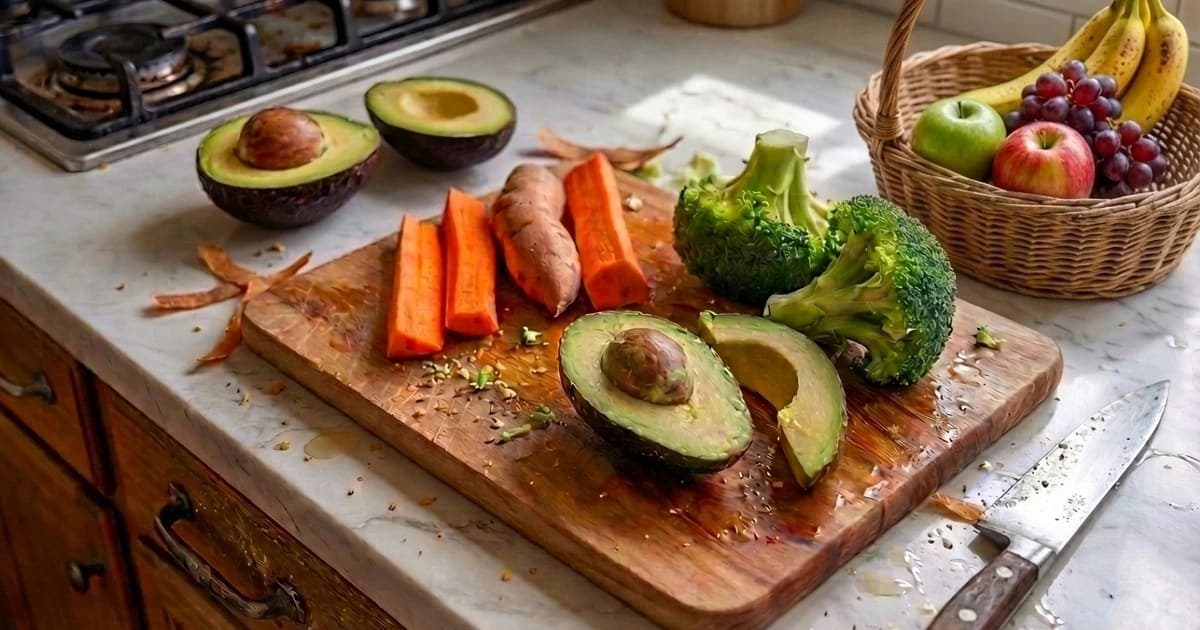
Baby-Led Weaning First Foods — What to Serve, How to Start, and What to Skip
Your no-stress guide to baby-led weaning first foods at 6 months. Best starter foods by category, a simple first-week plan, gagging vs choking explained, and foods to skip.
Read Article
Newborn Won't Stop Crying? 12 Real Reasons + a Cry Decoder That Works
It's 2 a.m. and the crying won't stop. Decode your baby's cry with our quick-reference table, 12 real causes, and soothing combos that work.
Read Article
Gagging vs. Choking: What Every Parent Starting Solids Needs to Know
That retching sound is terrifying — but is it gagging or choking? Learn the difference instantly, step-by-step infant first aid, safe food shapes, and how to manage mealtime anxiety.
Read Article